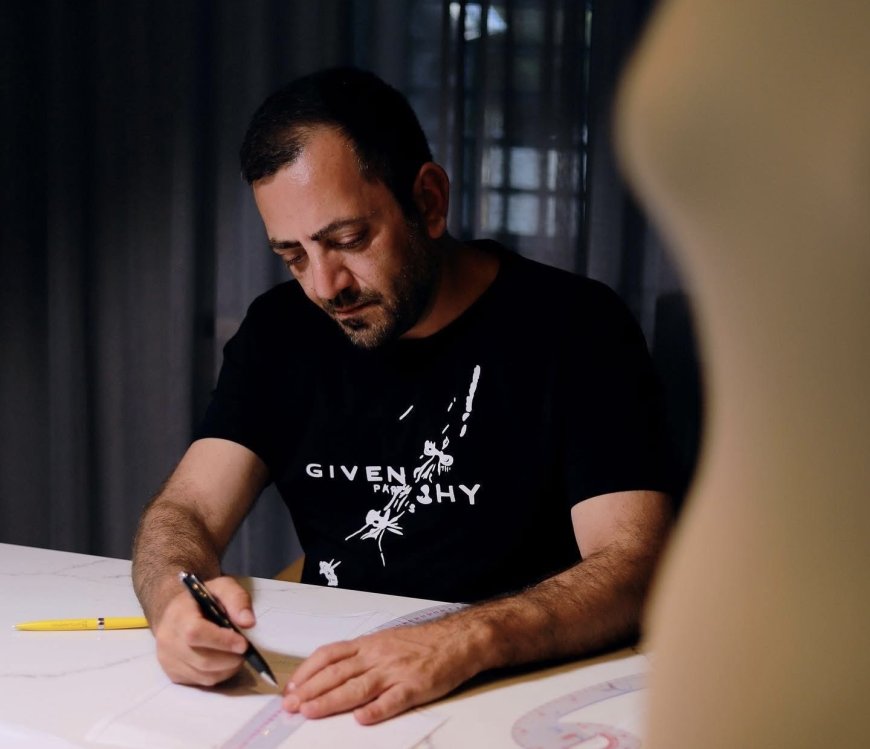
Von Vemian: The Designer Behind AMVA’s Most Spectacular Looks
At this year’s Armenian Music Video Awards (AMVA) - one of the most significant platforms celebrating distinguished Armenian singers and artists worldwide, fashion took center stage.
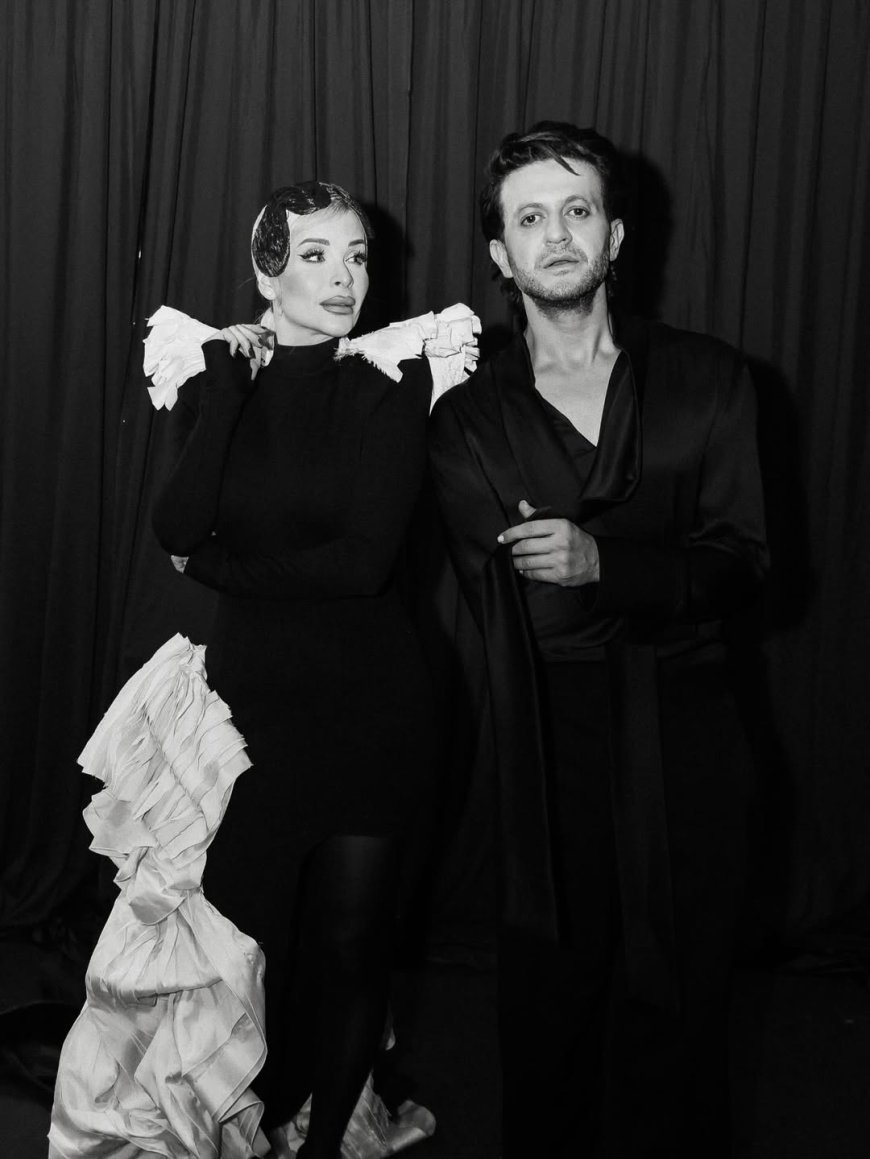
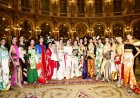
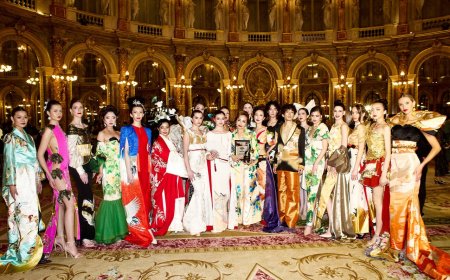
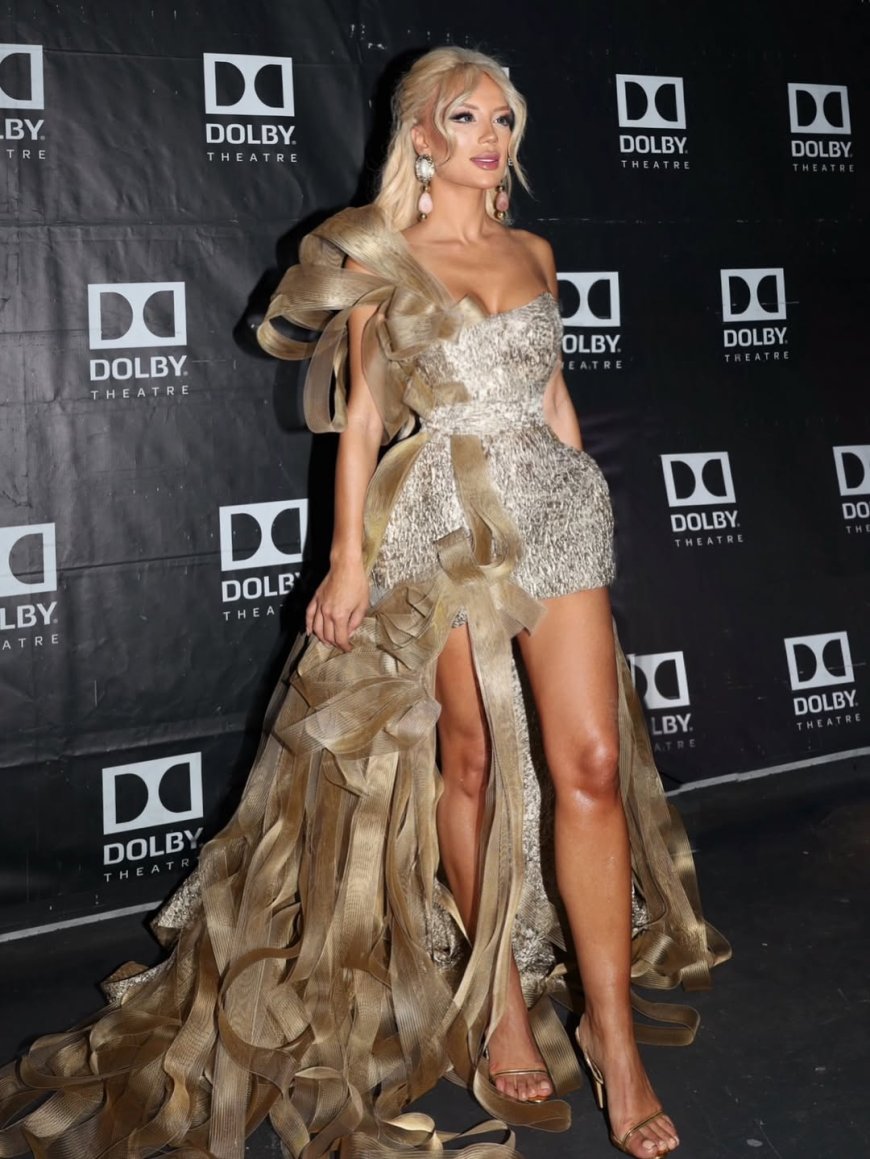
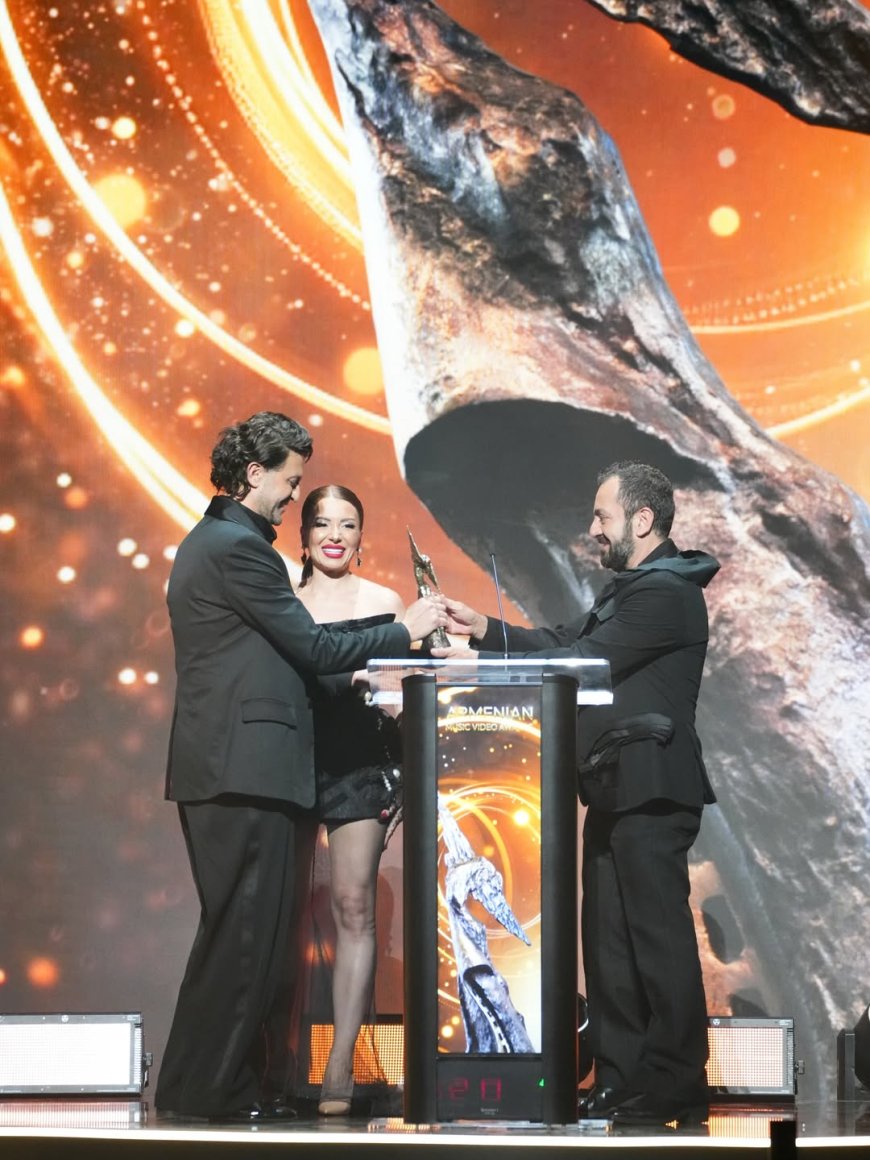
Held in the United States at the iconic Dolby Theatre, the ceremony was marked by an exceptional visual presence: 28 looks worn by participating artists were designed by Von Vemyan.
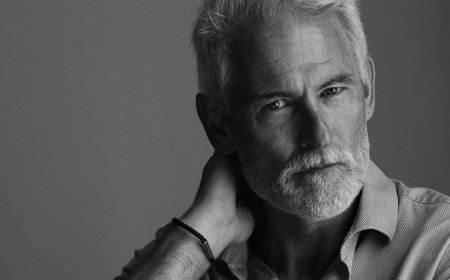
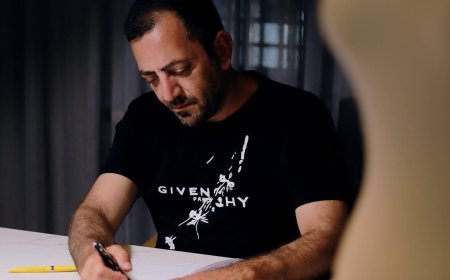
With his creations shaping much of the evening’s aesthetic, we sat down with the designer to speak about the scale of the work, the creative and technical challenges behind dressing so many artists, and his reflections on fashion, responsibility, and creativity under pressure.
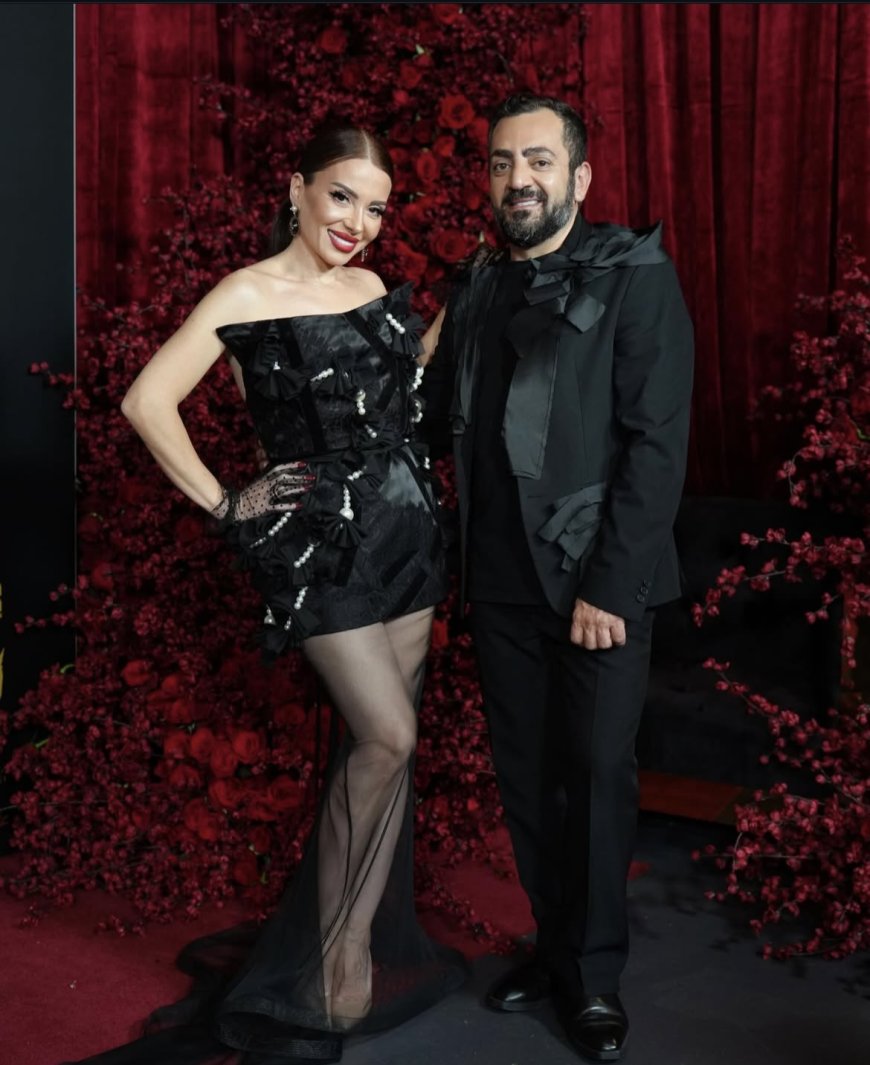
Von, what emotions did you experience during the AMVA awards ceremony when you saw such a large number of celebrities wearing dresses you created?
For me, of course, it was a great pleasure to be part of the Armenian Music Video Awards for the second time. Undoubtedly, many celebrities chose to wear dresses created by me.
On the one hand, this brings me joy - it is deeply gratifying that so many people selected my designs for such a significant occasion. This is both a wonderful honor and, at the same time, a great responsibility.
However, there is another side to this experience. The number of dresses I created for AVMA participants was so significant that, at a certain point, I even began to question whether it was the right approach for a fashion house to produce such a large number of looks for a single awards ceremony - 28 dresses in total.
When observing major international events such as the Oscars, the Golden Globes, or similar ceremonies, it becomes clear that celebrities wear creations by a variety of designers. No single fashion house dominates the red carpet - typically, each designer contributes no more than five or six looks.
At these events, stars wear dresses selected from designers’ latest collections. Naturally, each collection is built around a single theme resulting in a cohesive stylistic language. From such a collection, selecting five or six distinct looks is relatively straightforward. However, when selecting 28 dresses from a 40-piece collection, similarities between designs become inevitable. Each collection tells a story shaped by one central idea.
What will be your approach next year?
Next year, I would like to take a different approach and create a smaller number of dresses, because the number of looks was truly siginificant and the workload was equally demanding. Meeting with 28 clients within a single week means giving each of them your energy, attention, and time - and inevitably reaching a point of exhaustion.
In such circumstances, so much energy is spent on logistics and deadlines, that it becomes difficult to fully focus on the creative process. When working under constant time pressure, creativity is naturally pushed into the background.
When you work with too many clients, it becomes impossible to give each of them the level of care and attention that is essential for building meaningful professional relationships. As a result, you may begin to feel uneasy, even guilty, sensing that you are not doing your work to the best of your ability.
Despite all of this, I would like to once again emphasize that it was a great pleasure for me to be part of AMVA. I am deeply grateful for the trust placed in me and for the appreciation shown toward me and my work.
What challenges did you face when working with artists, given that each artist is an individual with their own taste, style preferences, and personality? How did you manage to choose the right dress for each of them?
The challenges were numerous, without a doubt. Yes, each artist is an individual with their own character, taste, temperament, style, and artistic identity and it was essential to take all of this aspects into account. When creating each look, my primary focus was on highlighting the person’s individuality; only after that did I develop the design around that foundation.
Most of the dresses were selected from our current collections, while some were created specifically for this event.
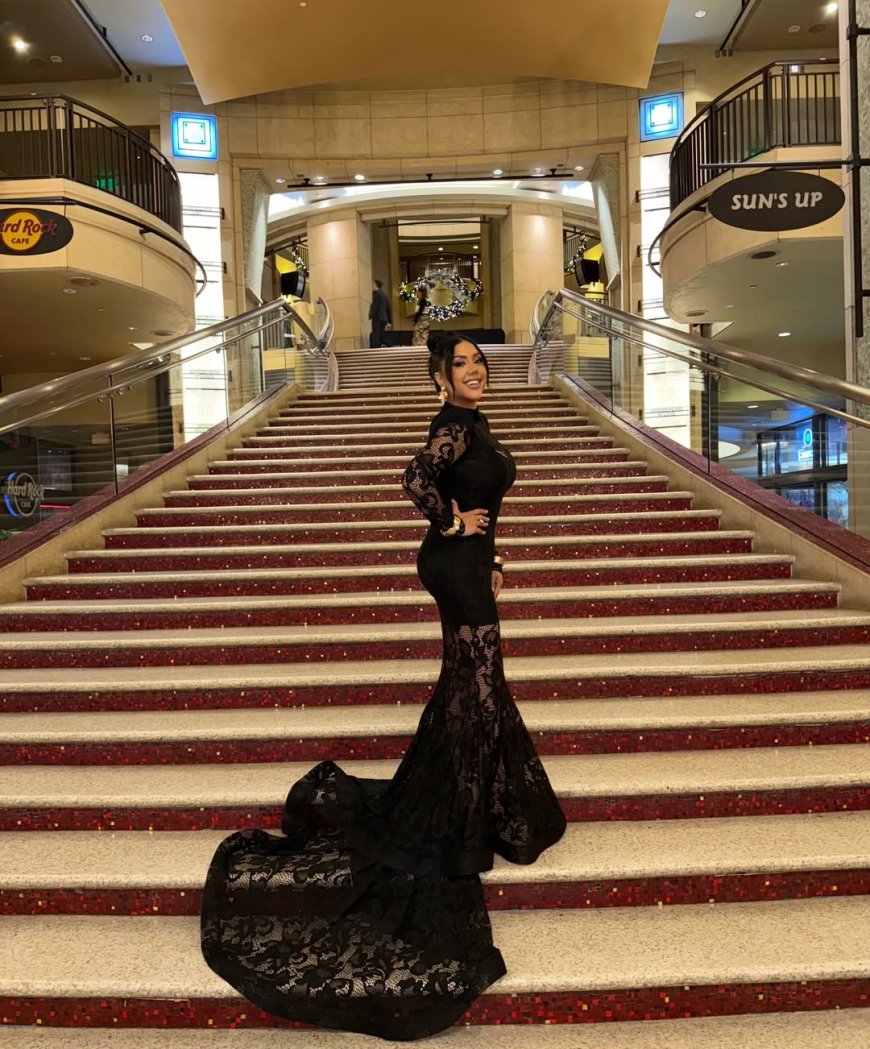
Those custom pieces, however, had been designed long before the ceremony. I created them exclusively for people who are very close to me. For instance, I began working on Ani Yeranyan’s dress well in advance of the awards. In my world as a designer, Ani is a muse - her image often inspires to create distinctive pieces. Working with her is always a pleasure, and designing custom looks for her is something I truly enjoy.
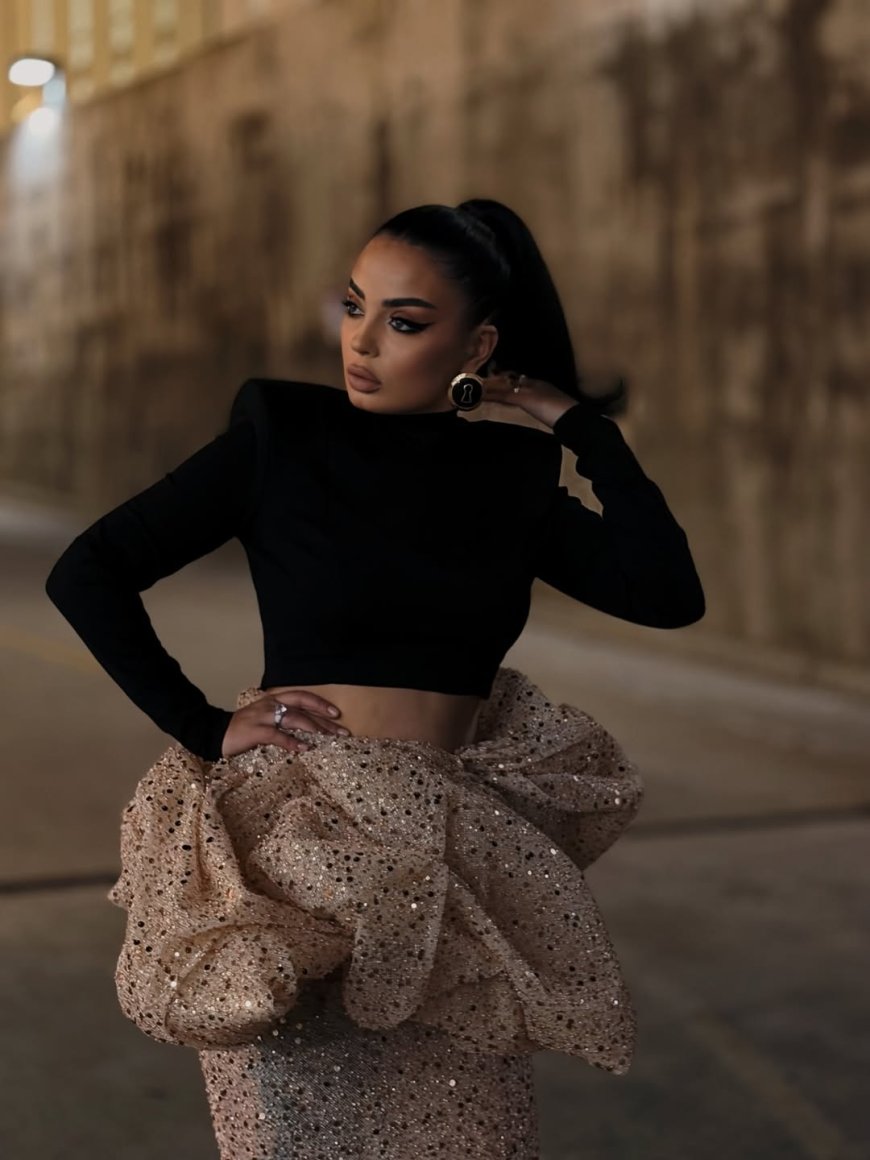
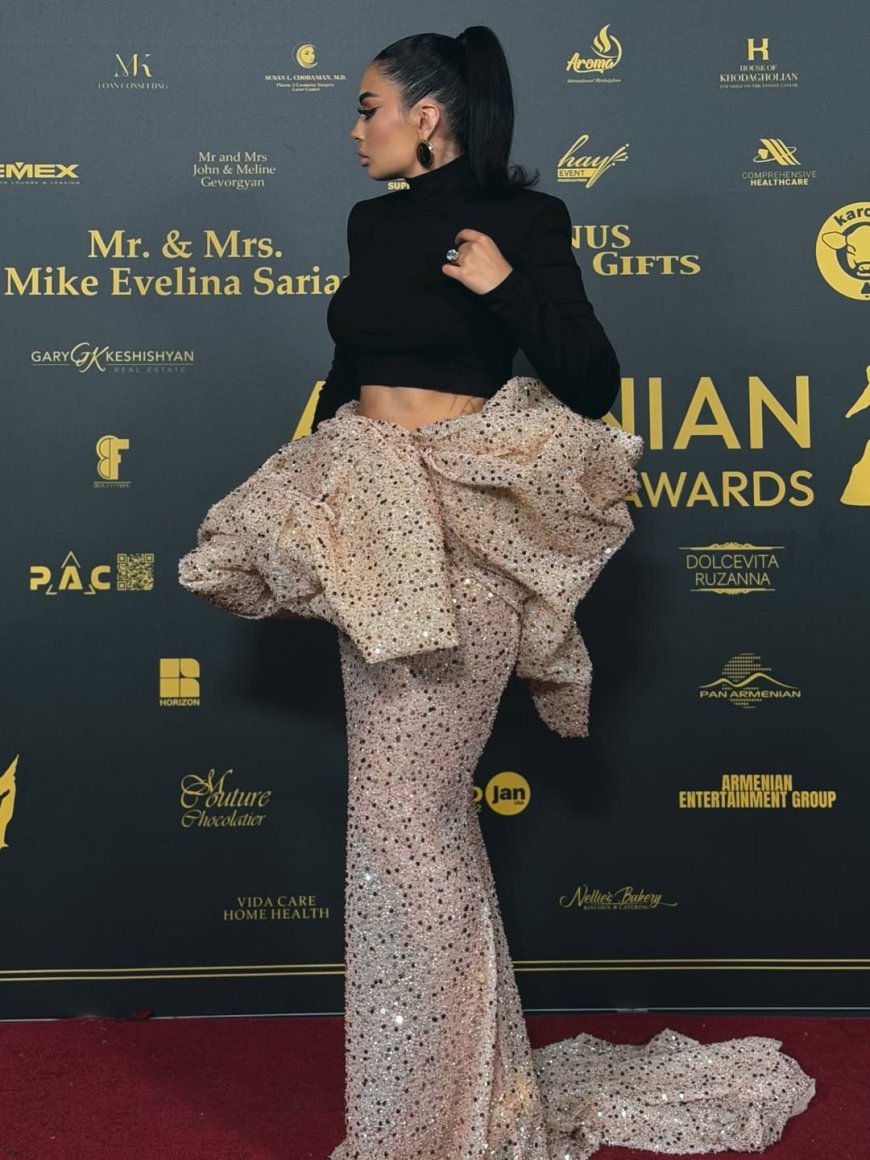
There were also actors who approached me just a few days before the event. I must admit that I have a weakness in my character - I find it hard to say no. I cannot tell people that all slots are full or that I don’t have time, and as a result, I end up taking on more work than I should. This inevitably starts to affect both my own health and that of my team: it deprives us of sleep and forces us to work up to 22 hours a day just to meet the deadlines.
This is, of course, not the right approach. I have made this mistake for the second time already and I sincerely hope that next time I will be able to avoid repeating it and work with only five or six artists - which is more than enough.
In such responsible moments, when you are working under a deadline, how do you find inspiration and continue to create - designing the right outfit for each artist that suits their image and style?
In moments like these, creativity tends to fade, because work that requires creative thinking becomes a matter of responsibility. You are constantly focused on finishing the dresses on time, and when your attention is consumed by deadlines, the creative process inevitably takes a back sit.
Creativity works differently: you sew something, step away from it, return later, make changes, revise and study it again the next day. In other words, to fully express creativity, time is essential.
This is why, many world-renowned artists, when attending major events, often choose ready-made dresses from designers’ latest collections.
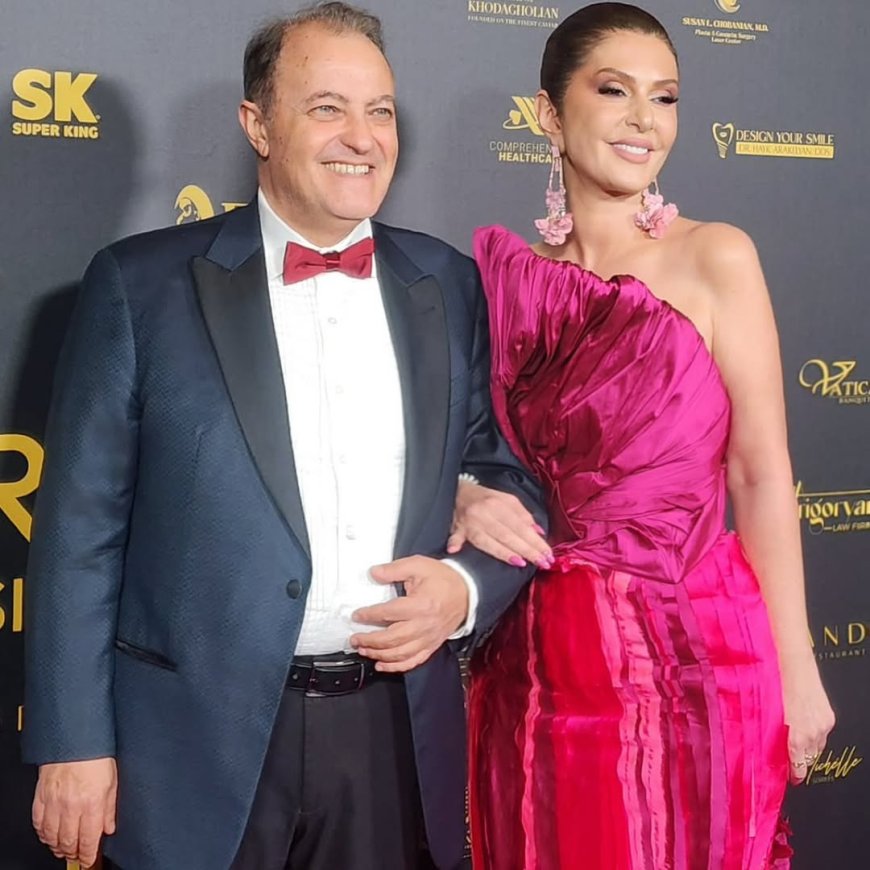
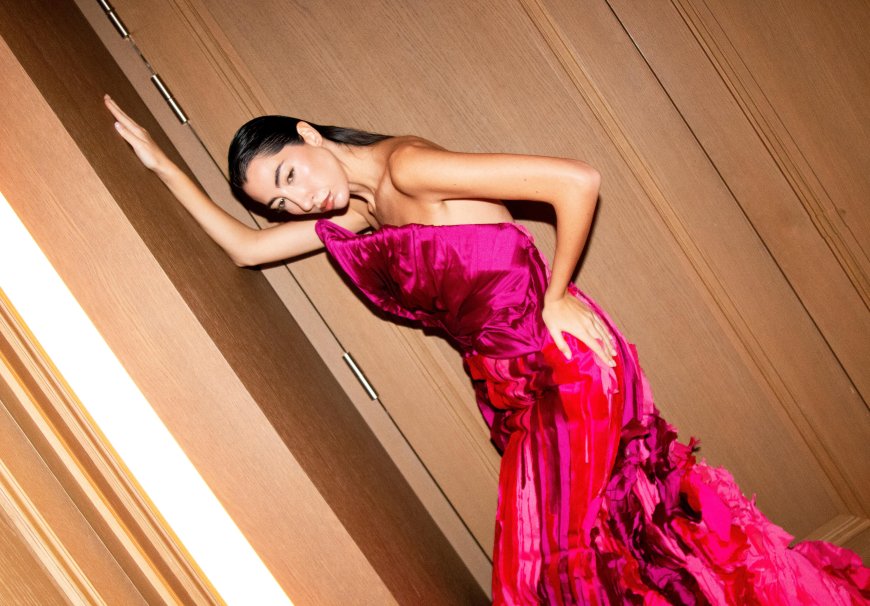
At AMVA, Lily Vardan (in a pink skirt-and-corset ensemble) and Sofi Mkheyan wore dresses from our new collection.
Creating Lily Vardan’s dress took around two weeks - we invested a tremendous amount of work, totaling approximately 120 to 130 hours.
If an artist comes just a week before an event, it is simply impossible to dedicate the time a couture dress truly requires.
As I mentioned, globally its common and considered prestigeous for stars to wear dresses that have already appeared on the runway. A dress that has been shown, evaluated and celebrated by the fashion world carries recognition, credibility and honor.
As a Diaspora Armenian designer, I would love for Armenian celebrities and the local fashion scene to understand this.
Unfortunately, this culture is still rare in the Armenian reality. Many assume that if a dress has been seen before, it loses its value. In reality it is just the opposite: wearing a couture piece that required weeks or months of craftsmanship is far more honorable than comissioning something just days before an event. A hastily made dress cannot compare in quality, creativity or the depth of work invested.
After every fashion show, collections are critiqued: some dresses fail, others succeed. Designers always offer pieces that have already been proven successful, because these dresses have passed the fashion world's critical phase. You might see a dress on the Versace runway and later on Jennifer Lopez - its approval by critiques and the industry makes it a safe prestigious choice.
Besides, choosing dresses that have already been on the runway and tested ensures there are no surprises - this gives confidence on the red carpet.
Working under tight deadlines transforms the creative process into purely technical work. When time is limited, there is no space to explore, revise or experiment - creativity simply stops, drops to zero.
During the week leading up to AMVA, my team worked from 3a.m. until 11 p.m. the following night. Such schedules are exhausting and unsustainable, and the process becomes production rather than art. That is why I always advice starting early: dresses need time, and leaving everything to the last moment is the wrong approach. Starting early isn't just practical - it's essential for achieving both quality and creativity.
This is also why, for major events, global stars choose dresses from collections, while custom-made pieces are reserved for major gala events like Met Gala.
Among the AMVA looks, are there one or several that you can single out - those you especially loved and that hold a special place for you?
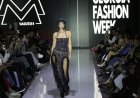
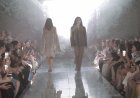
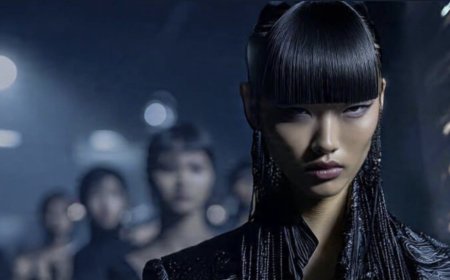
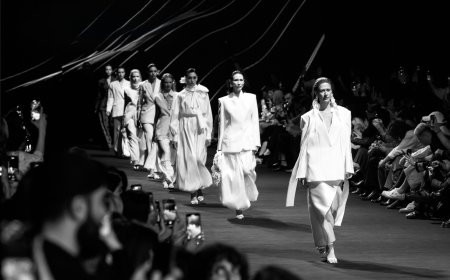
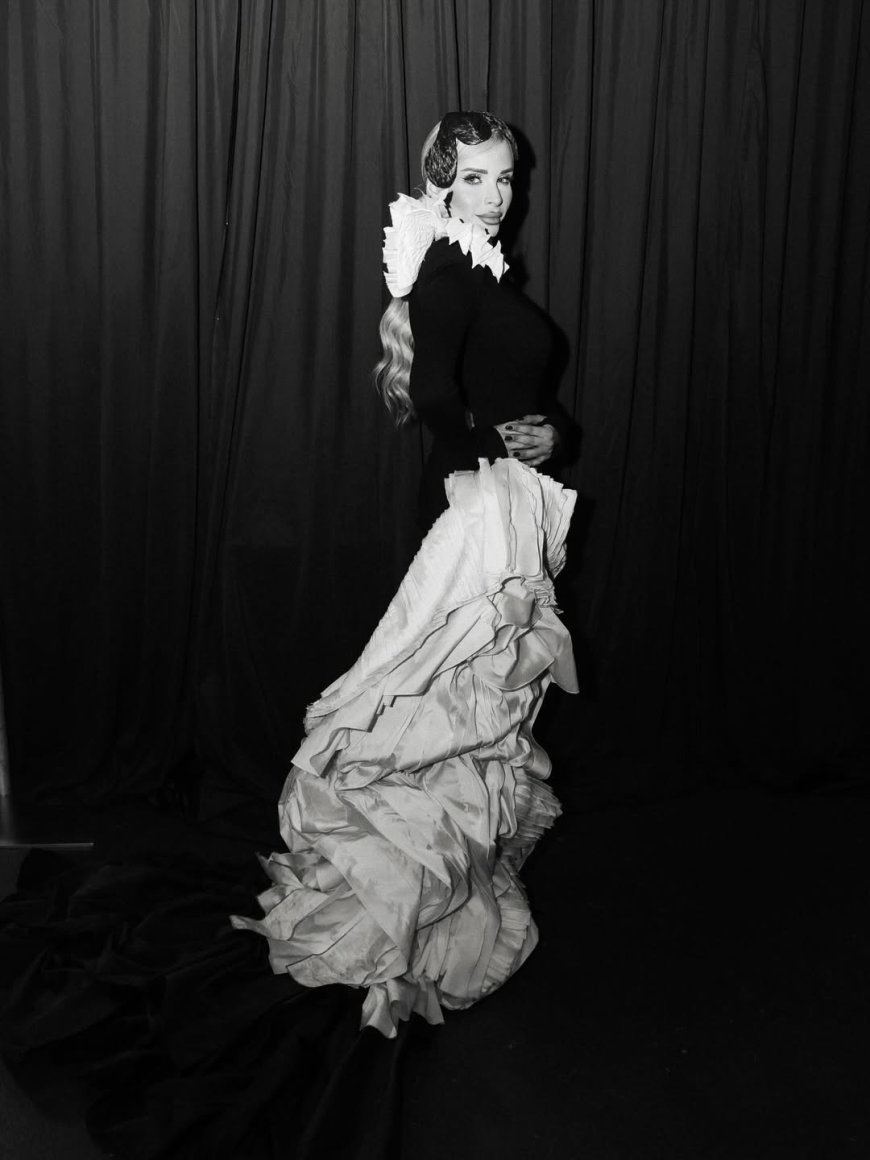
Of course. Among the presented dresses, there are two that hold a particularly special place for me: the dresses worn by Lily Vardan and Sofi Mkheyan. I invested a tremendous amount of work into creating those pieces. They are from my new collection, Celestial Opera, which I recently presented during Paris Fashion Week.
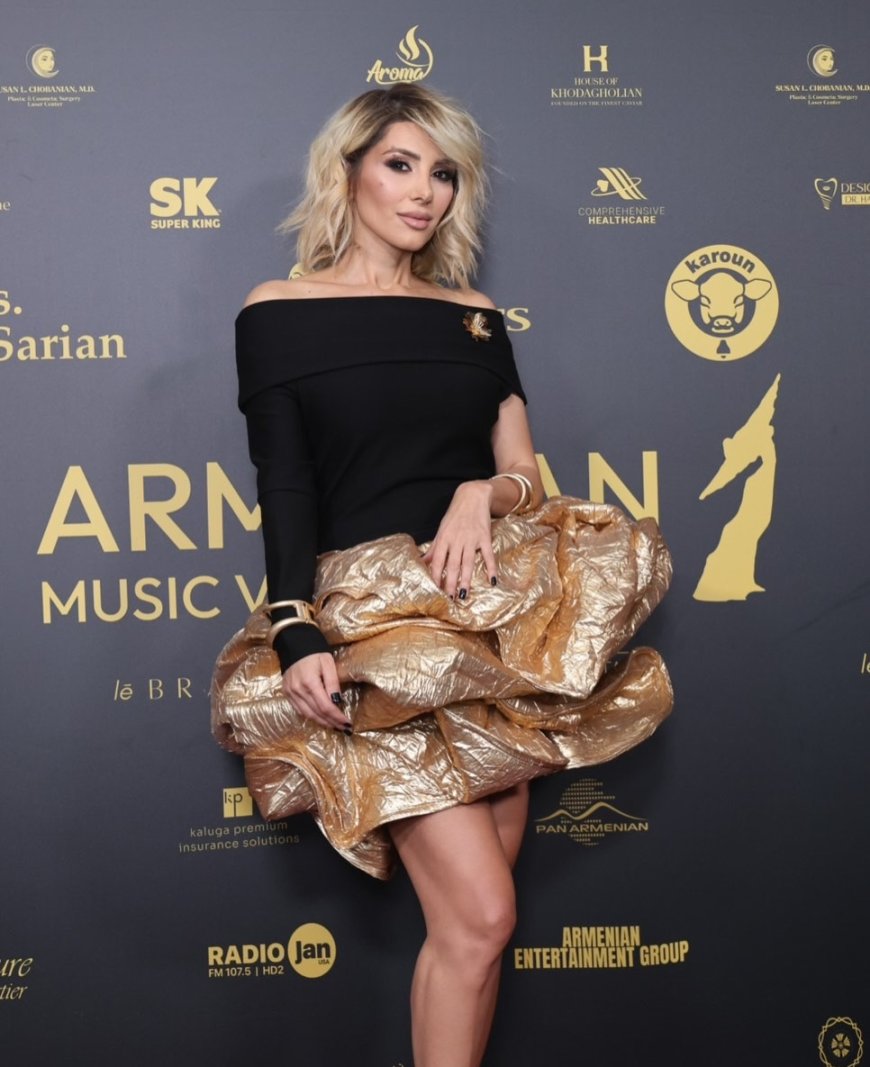
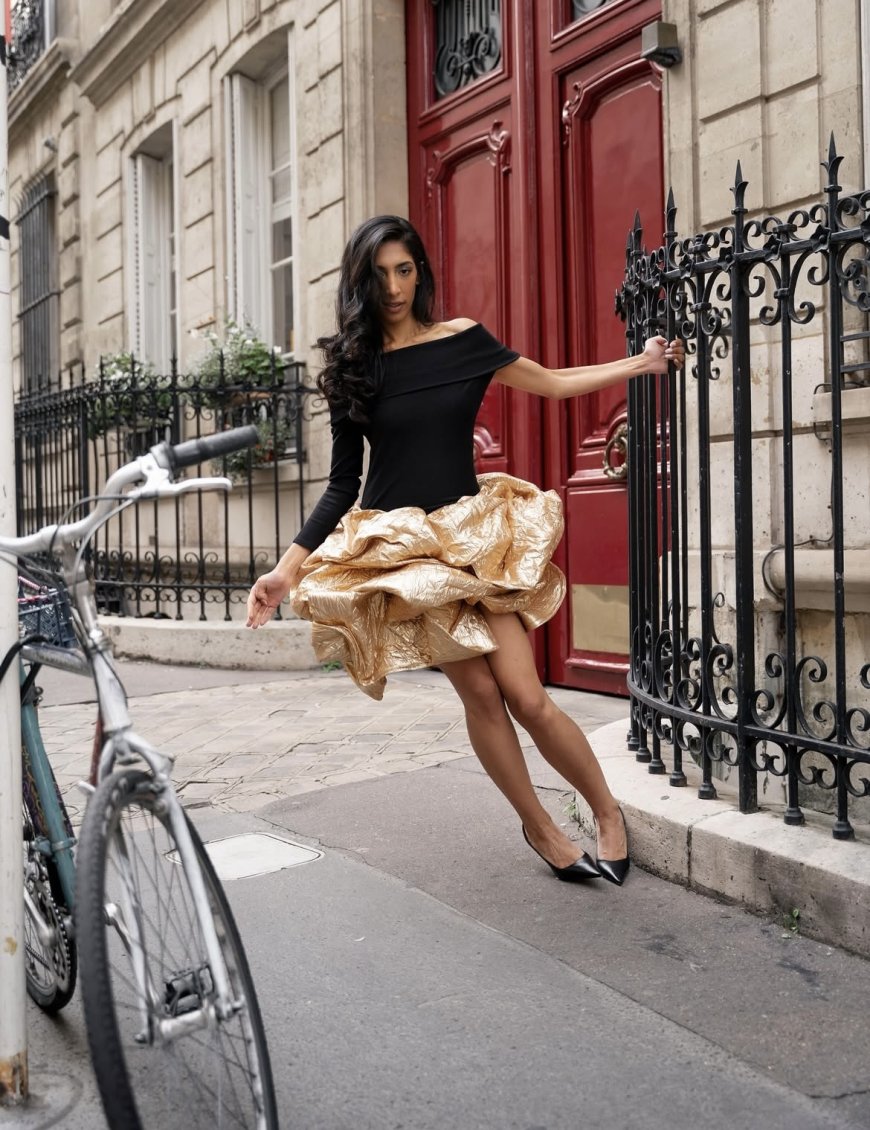
Through that collection, I, as an artist, told my own story. For me, it is incredibly meaningful when the story I created, reaches real people, not just models. A model remains emotionally detached from that story: she comes to work, wears the dress chosen for her by a stylist, walks or poses in it, and that is all - the dress is not her personal choice.
However, when Sofi Mkheyan or Lily Vardan, as individuals, choose one of my creations from a collection, there is no greater value or recognition for any designer. It means that your work has touched people’s hearts - that what you created interested and moved them. That is deeply and profoundly meaningful.
Yes, the two most special dresses of the event for me were the ones worn by Lily Vardan and Sofi Mkheyan.